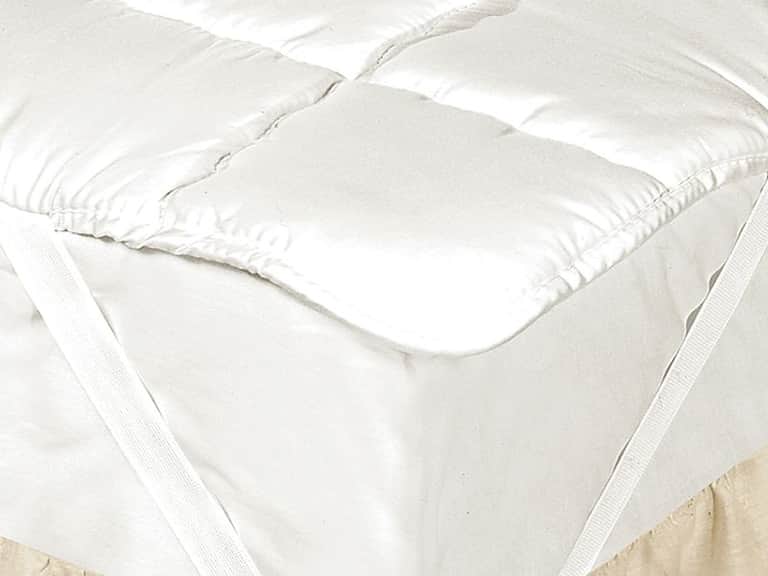
Bedding encompasses a broad range of textiles designed to improve comfort, hygiene, and sleep quality. Key components include sheets, pillow varieties, and comforters that support temperature regulation, moisture management, and structural integrity throughout the night. Understanding fabric types, weave counts, and insertion methods helps match materials to individual sleep preferences and room conditions.
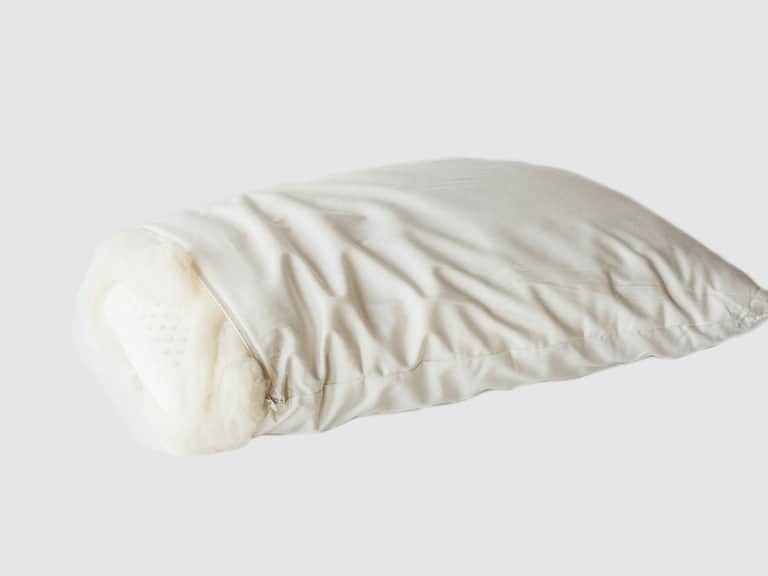
Memory foam pillows offer contouring support that aligns the spine and reduces pressure points, making them a common choice for neck comfort and stable sleep posture. Down pillows provide plush, breathable cushioning, while maintaining loft and resilience. Examining fill power, cover fabrics, and fill distribution helps determine suitability for allergy considerations and personal warmth needs.
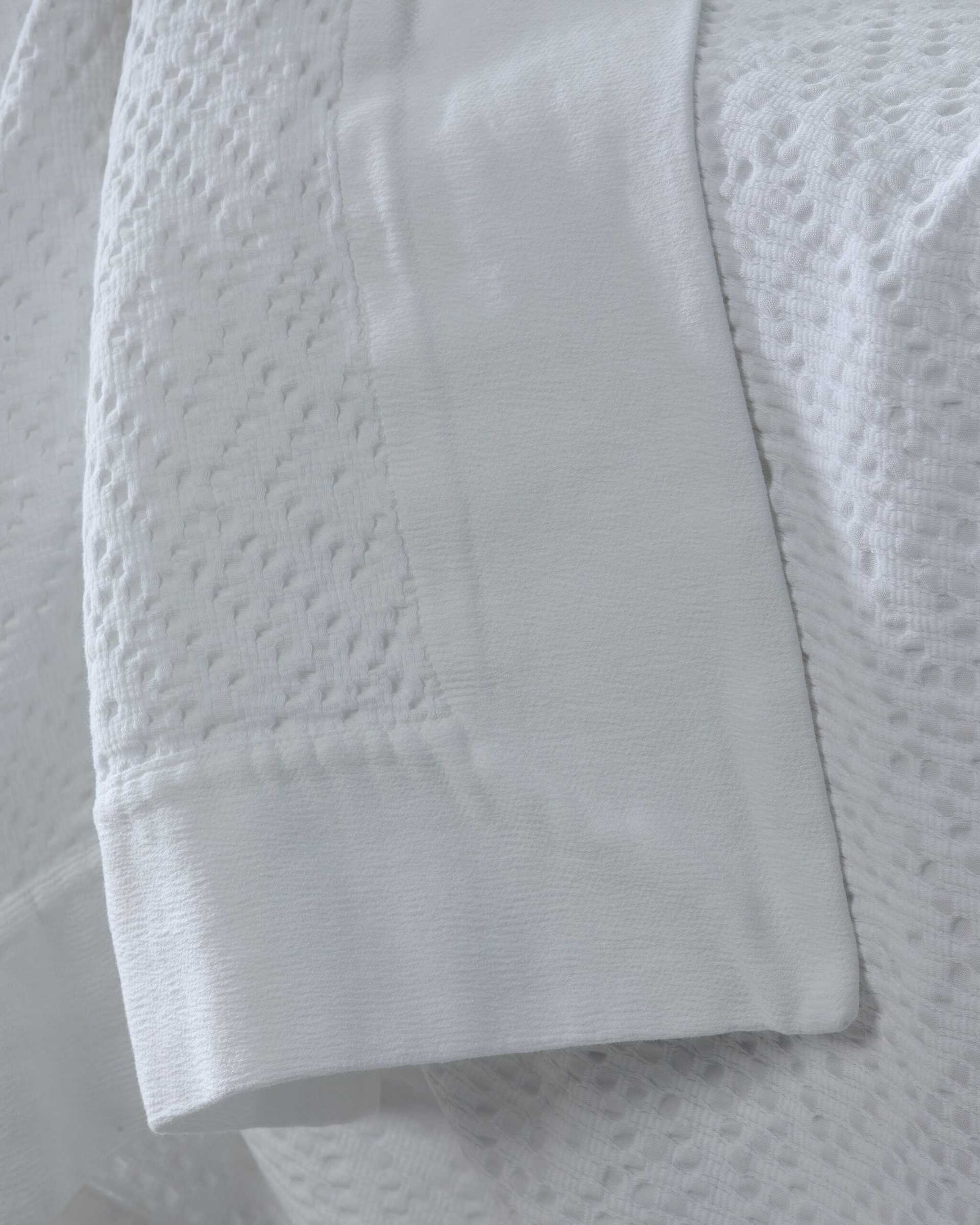
Sheets contribute to overall sleep experience through thread count, fiber composition, and finishing treatments. Natural fibers like cotton and linen offer breathability, while blends can balance softness with durability. Important features include weave (percale, sateen), moisture wicking, and ease of care, which influence long-term performance and hygroscopic properties.
The Luxor Fitted Sheet exemplifies how fit, fabric, and durability intersect in premium bedding. It emphasizes secure corner closures, elasticized edges, and generous depth to accommodate various mattress styles. Functional benefits include reduced shifting, improved sleep surface consistency, and compatibility with layered bedding systems for temperature management.
In exploring bedding options, it is useful to consider how pillows, memory foam variants, sheets, and down alternatives interact to support restful sleep. Material science—cover textures, fill materials, and airflow characteristics—drives decisions for allergy safety, temperature regulation, and long-term comfort across different seasons and bedroom environments.
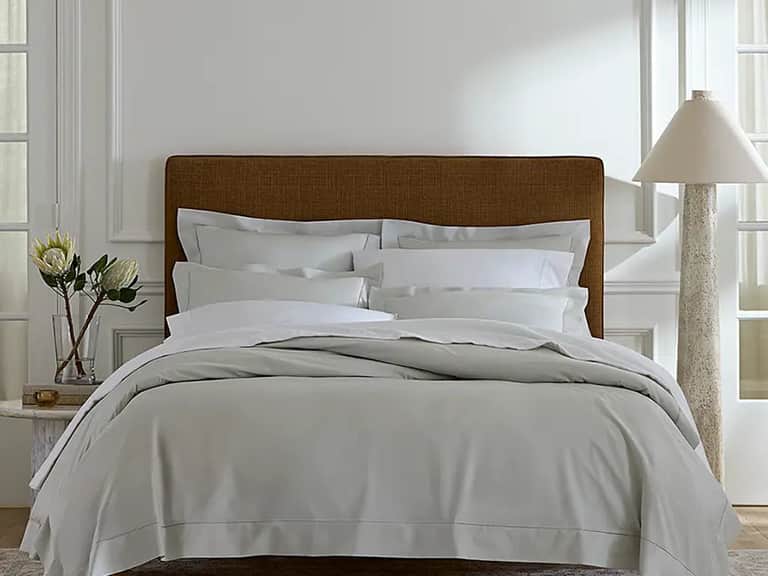 Bedding