A Practical Guide to Luxury Mattress Materials: What to Know Before You Buy
In a market saturated with claims of comfort, sustainability, and technology, choosing a luxury mattress can feel overwhelming. This guide unpacks the core materials that define premium sleep surfaces—natural latex, responsibly sourced wool, and organic cotton covers—so readers can compare comfort, durability, and environmental impact with clarity and confidence.
Luxury mattresses often hinge on material decisions just as much as on brand prestige or ergonomic design. The core materials determine how a mattress supports the body, how heat and moisture move through the surface, and how long the bed maintains its feel without sagging. By understanding the properties of latex, memory foam, natural fillings, and the fabrics that encase them, you can make informed choices that align with sleep goals, health considerations, and lifestyle values.
1. The landscape of luxury mattress materials
Luxury mattresses commonly center around three material families: latex, memory foam, and natural fillings (such as wool or cotton). Each offers a distinct balance of support, contouring, temperature regulation, and durability.
Latex: resilience with a buoyant response
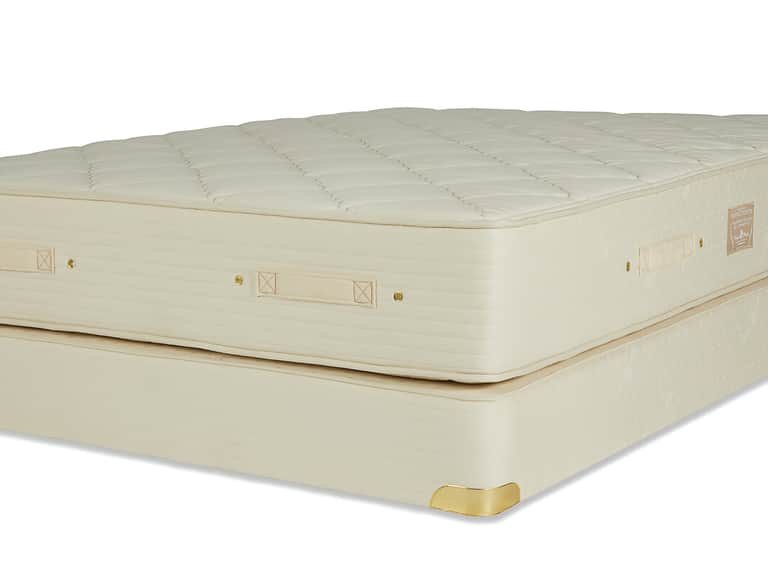
Natural latex, particularly Dunlop or Talalay varieties, is prized for its consistent support and response. Latex resists motion transfer well, which can be beneficial for sleepers sharing a bed. It also exhibits strong durability and retains a supportive feel over many years. For luxury applications, the emphasis is often on 100% natural latex cores, with minimal additives, to preserve a clean, chemical-free profile.
Memory foam: contouring comfort with temperature considerations
Memory foam molds to the sleeper’s shape, offering pressure relief and targeted support. It is valued for reducing movement transfer and providing a smooth transition between zones of the mattress. Modern luxury variants frequently incorporate open-cell structures, gel infusions, or graphite to improve breathability and regulate temperature. However, memory foam can be less breathable than natural materials, so layering with breathable covers or the inclusion of cooling features is common.
Natural fillings: wool, cotton, and beyond
Natural fillings, including chemical-free wool and long-staple cotton, contribute to temperature regulation, humidity management, and a sense of organic comfort. Wool, for example, wicks moisture away from the body and has natural flame-retardant properties, reducing the need for synthetic additives. When wool is used in a mattress, it is often in quilted layers surrounding a latex core, creating a balanced combination of support and breathability.
2. How materials influence sleep quality
The choice of core materials and their arrangement within a mattress influences several dimensions of sleep quality:
- Support and alignment: Latex cores deliver resilient support that returns to shape quickly, maintaining spinal alignment for many sleepers. Memory foam excels at conforming to curves and filling in pressure points, which can alleviate discomfort for some individuals.
- Temperature regulation: Natural fibers tend to promote airflow and moisture wicking. In contrast, certain foams may trap heat unless engineered with breathable structures or cooling additives. A cover fabric that breathes, such as organic cotton or other natural blends, complements the core’s performance.
- Durability and longevity: Premium latex and high-quality natural fillings tend to outlast many synthetic foams, preserving feel and support over time. The overall durability also depends on the build quality, edge support, and the integrity of the cover materials.
- Eco-credibility and health considerations: For many buyers, the environmental footprint and the absence of volatile compounds carry significant weight. Certifications for organic farming, sustainability, and low-VOC finishes contribute to a mattress’s overall appeal in luxury markets.
3. Reading the core: natural latex versus memory foam
A pivotal decision for luxury mattress shoppers is choosing between latex and memory foam as the core. These materials offer complementary advantages, and in premium settings, many manufacturers blend them into layered configurations to harness the strengths of each.
Natural latex: a responsive foundation
Natural latex cores typically provide a buoyant lift, fostering a feeling of “sitting slightly above” the surface rather than sinking in. This buoyancy supports dynamic sleep movements and can contribute to a feeling of freshness. In addition, latex tends to resist sagging and maintains uniform support across the mattress’s surface. When sourced from responsible suppliers, latex also aligns with a more natural material philosophy.
Memory foam: precision and contour
Memory foam shines when targeted contouring and pressure relief are desirable. A well-designed luxury memory foam layer can cradle the neck and shoulders, smoothing pressure points for side sleepers, back sleepers, or those with specific spinal considerations. The trade-off is that memory foam can feel warmer than latex, making cooling strategies and breathable covers important in higher-end builds.
4. The role of organic cotton and other covers
The cover fabric acts as the interface between the sleeper and the interior of the mattress. An organic cotton cover, or a blend featuring natural fibers, often enhances breathability and a sense of natural luxury. Some luxury mattresses incorporate wool blends near the top layers to improve climate control, while others use cotton jacquard or stretch-knit fabrics to balance softness with stretch and durability.
5. Sustainability and certifications in luxury sleep
Consumers increasingly seek mattresses that align with ethical and environmental values. Certifications such as GOTS (Global Organic Textile Standard), GOLS (Global Organic Latex Standard), and other recognized marks help verify claims about organic materials and responsible manufacturing. In the luxury segment, the narrative often centers on traceability—from forest management to latex sourcing and wool production—coupled with transparent supply chains and third-party testing.
6. How to compare luxury mattresses: practical tips
When evaluating luxury mattresses, consider these practical steps:
- Determine your preferred feel: buoyant and responsive (latex) versus contouring and enveloping (memory foam).
- Evaluate temperature management: look for breathable covers, ventilation channels, and materials that wick moisture efficiently.
- Assess durability guarantees: long warranties and clear density or resilience metrics for latex cores.
- Inspect layering logic: how the core, comfort layers, and cover interact to create the intended sleep experience.
- Review independent testing and certifications: seek third-party verification of materials and finishes.
7. A closer look at premium materials from the market
The luxury sleep landscape features a range of premium offerings. While every brand has its own vocabulary, certain materials recur with consistent performance cues.
Pure latex cores
A pure latex core—often Dunlop or Talalay processed—offers robust support with a lively response. In many luxury configurations, latex cores are paired with wool or cotton quilted covers to promote a balanced climate and a natural, luxurious feel.
Organic and natural wool layers
Wool layers contribute to temperature regulation and a gentle contouring inside premium mattresses. They are valued for moisture management, resilience, and a natural flame-retardant property that may reduce the need for synthetic additives. In combination with latex, wool can yield a sleeping surface that remains comfortable across a wide range of climates.
Organic cotton and linen covers
Organic cotton and linen offers a breathable, tactile upper layer that enhances cooling and helps maintain a crisp feel over time. A well-chosen cover can extend the life of the entire mattress by protecting inner layers from abrasion and moisture buildup.
8. A note on the shopping context and product fit
In luxury bedding, the material story often mirrors the brand’s ethos. The best purchases balance material science with personal preferences, body weight, sleep position, and seasonal considerations. A shopper may prioritize eco-conscious sourcing, while another may seek the precise feel of latex’s buoyancy or memory foam’s contouring. The ultimate mattress should enable restorative sleep with minimal disruption, aligning with lifestyle and values.
9. A brief look at related product availability
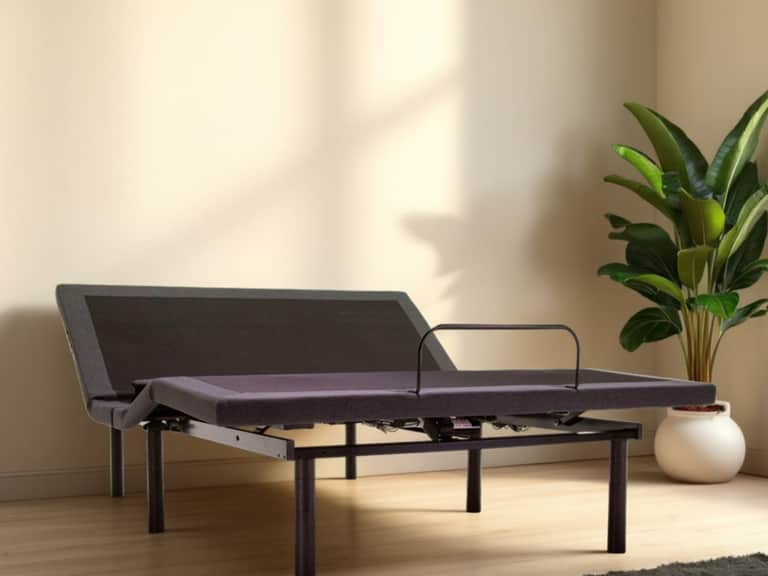
The retailer landscape includes high-end bedding ecosystems that offer sophisticated sleep systems beyond a single mattress core. A representative example in this space is a platform that integrates an adjustable bed base with wellness features such as programmable presets, massage, and ambient lighting. This kind of system illustrates how luxury sleep design now often extends across multiple components to optimize comfort, posture, and circadian-friendly routines. When evaluating such options, consider how the base and mattress interact—does the surface promote the same breathability, support, and temperature management promised by the mattress core?
For readers of luxurybeds.org, accessible examples of product lines and specifications should be read with a critical eye toward materials, sustainability, and long-term performance. In the current market, high-quality latex cores, natural wool fillings, and organic cotton covers remain central to premium sleep experiences, while innovations in smart bed technology continue to shift expectations about how we measure rest.
Conclusion: making an informed choice about luxury mattress materials
A luxury mattress is most meaningful when its materials align with a reader’s sleep goals, health considerations, and values. Latex offers a resilient, buoyant foundation that keeps its shape over time; memory foam promises precise contouring and pressure relief; natural fillings deliver climate regulation and a sense of organic comfort. The cover and supporting fabrics complete the equilibrium, influencing breathability, feel, and care requirements. By grounding decisions in material science, independent testing, and a clear sense of personal comfort, readers can invest in a mattress that sustains restorative sleep for years to come.
For further exploration, consider how a luxury sleep ecosystem can harmonize with other elements of the bedroom—bedding, sheets, and bed bases—that work together to support healthy, refreshing nights. If you’re evaluating a premium mattress, ask about the source of latex and wool, the certification of cotton fibers, and the expected longevity of the core materials under your sleeping patterns. In a world of ever-advancing sleep technology, the oldest questions still matter: What materials feel best on your body? How does temperature behave through the night? And which combination of components helps you wake up more restored and ready for the day?
A curated note on related products you might consider
Among the curated offerings in contemporary luxury sleep ecosystems, a few products demonstrate how material choices translate into tangible comfort. For readers seeking a high-quality adjustable sleep system with wellness features, the market includes premium bases with independent head and foot adjustments, lumbar support, massaging capabilities, and sleep-tracking features. These systems illustrate how a thoughtful integration of materials and technology can support a broad range of comfort preferences and health needs.
Representative product highlight
The Clean Bedroom (Level 4) Adjustable Bed Base represents a premium example of how a versatile sleep base can complement a luxurious mattress core. With independent head and foot lift, lumbar support, VibraSense massage, and built-in white noise, this base blends comfort with sophisticated wellness functions designed to ease the process of falling asleep, snoring management, and daily relaxation routines. While the base itself is a component of a broader sleep system, its integration with a premium latex or natural-fill mattress can enhance overall sleep quality and personalization.
When pairing a luxury mattress with an adjustable base, consider how the materials interact across positions. A latex core maintains consistent support across a range of angles, while memory foam contours to the body in a way that can be affected by different heights and inclines. The cover fabrics, breathability, and edge support remain crucial for a cohesive feel throughout the bed’s range of motion.
For readers who are evaluating options, the focus remains on materials—latex, wool, and organic cotton—as anchor points for comfort, durability, and healthful sleep. The right combination creates a sleep surface that is not merely a platform for rest but a thoughtful, sustainable environment that supports routine, recovery, and well-being.
Note: This article is designed as an editorial guide to luxury mattress materials. It references industry standards and broadly accepted material characteristics, while avoiding the fabrication of personal interviews or unsupported claims.
The Clean Bedroom (Level 4) Adjustable Bed Base
Experience a fully customizable sleep system designed to elevate comfort, support, and relaxation. Built-in wellness features include VibraSense massage, Zen Mode with white noise, and snore detection.
View product
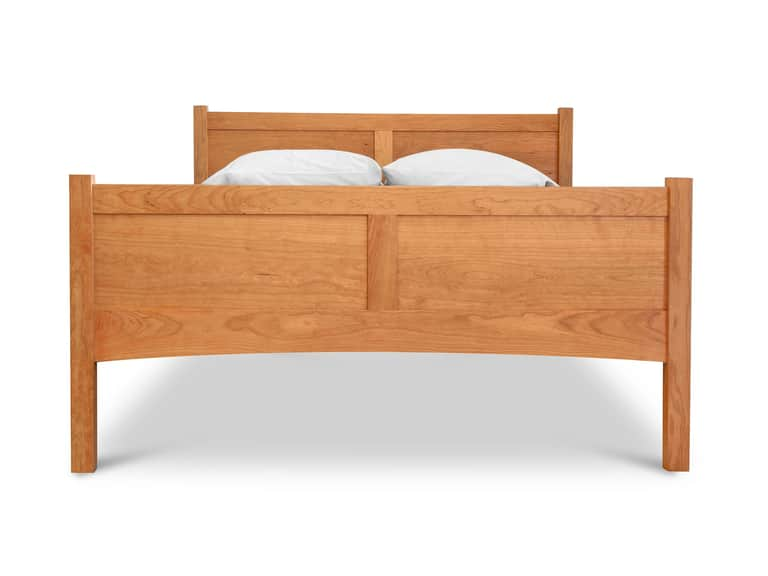
Essex High Footboard Bed
Solid hardwood construction with an eco-friendly finish, offering a timeless centerpiece for the bedroom and compatibility with a range of sleep surfaces.
View product