Latex, derived from natural rubber sap, offers a unique combination of responsiveness and support ideal for a balanced sleep surface. This category explores the properties of latex products, including resilience, breathability, and allergen considerations. Understanding latex compositions helps clarify how comfort layers contribute to spinal alignment and pressure relief in bedding systems.
Latex bedding often emphasizes durability and consistent performance over time. Natural latex regains shape quickly after compression, reducing sinkage while maintaining support where it is needed most. This stability can benefit various sleep positions, from back to side, by distributing body weight more evenly and helping maintain neck and spine alignment.
Key features to recognize in latex products include pin-core or pin-tock ventilation, which enhances airflow and temperature regulation. The material’s intrinsic breathability promotes a cooler sleeping environment, complementing other bedding components such as sheets and pillow fills. For allergy considerations, high-quality latex products can be naturally hypoallergenic and resistant to dust mites.
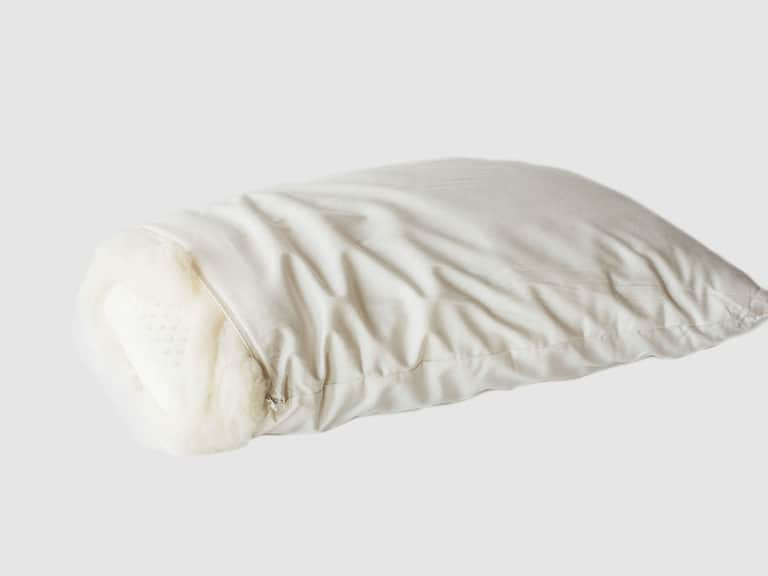
Within the pillow category, the Natural Wool-Wrapped Latex Bed Pillow exemplifies how latex interacts with textile layers. The wool wrapping adds softness and moisture management, while the latex core provides responsive support. Such designs aim to reduce pressure points on the head and neck, supporting restful transitions between sleep stages.
In examining bedding ecosystems, understanding the role of latex in conjunction with memory foam pillows, organic mattresses, and breathable sheets reveals a holistic approach to sleep quality. This synergy highlights how material choices—from pillow to mattress cover—affect comfort, temperature control, and long-term usability of bedding sets for healthy sleep.
 Bedding