Sleep materials and mattress design
Dunlop Latex Mattress Construction: Feel, Support, and Trade-Offs
Dunlop latex is known for a resilient feel and a substantial, supportive structure. But the name alone cannot tell you whether a mattress will feel right. Layer design, firmness, body weight, sleep position, and the materials surrounding the latex all help determine whether it feels gently buoyant or distinctly firm.
Published November 2, 2026
The character of a resilient material
Press a hand into a latex mattress and the response is immediate. The surface yields, then pushes back. Unlike memory foam, which typically compresses gradually and recovers more slowly, latex tends to feel springy and responsive. The distinction is more than a matter of sensation: it influences how easily a sleeper can turn, how much the surface cradles the body, and whether support feels close and contouring or buoyant and lifted.
Dunlop latex is one of the established ways of making latex foam for mattresses. The material is formed by whipping latex into a froth, placing it in a mold, and using heat to set it into an elastic foam. In broad terms, the process tends to produce a dense, substantial feel. The actual result, however, depends on the formulation, the mold, the dimensions of the finished layer, and what else is built into the mattress.
That last point matters. A sleeper does not lie on a label reading “Dunlop.” They lie on a complete sleep system: a cover, quilting or comfort materials, one or more foam layers, a support core, and a foundation beneath it. Any of those elements can change the perceived firmness, cushioning, temperature, and movement of the mattress.
For that reason, latex type is a useful starting point, not a verdict. A thoughtful comparison looks at the whole construction and asks a simple question: how does this particular mattress distribute pressure and support the body over the course of a night?
How Dunlop latex is made
Natural latex begins as a milky liquid collected from rubber trees. Manufacturers can turn latex into foam through different processes, including Dunlop and Talalay. In a typical Dunlop process, the latex mixture is aerated, poured into a mold, and heated so it sets. The resulting foam is then removed and prepared for use in a mattress. Some products use natural latex, some use synthetic latex, and others combine the two. The process name does not by itself establish the exact ingredients.
Dunlop foam has a reputation for density and a comparatively solid, grounded feel. This reputation reflects common constructions, not a universal rule that every Dunlop layer must feel firm. Firmness can be adjusted, and finished mattresses may combine layers of different firmnesses. The weight and distribution of the sleeper also affect how the same layer feels in practice.
It is useful to separate three ideas that are often blurred together: density, firmness, and support. Density describes how much material occupies a given volume. Firmness refers to how much resistance a surface offers when compressed. Support describes how well a mattress helps keep the body in a comfortable, reasonably aligned position. These qualities are related, but they are not interchangeable. A dense layer is not automatically too firm, and a soft surface is not automatically unsupportive.
Nor does “natural latex” answer every construction question. Buyers who care about material composition should check whether the product is described as natural, synthetic, or blended, and whether the manufacturer explains the cover, quilting, and other components. Certifications may offer information about specified materials or emissions, but each certification has a defined scope. Reading what it covers is more useful than treating a label as a blanket claim about the entire mattress.
What it feels like to sleep on
Many sleepers describe latex as buoyant. Rather than sinking deeply and slowly into the surface, they feel supported closer to the top of the mattress. That can make changing positions feel less effortful. A combination sleeper who shifts from side to back, for example, may appreciate a surface that responds quickly instead of holding a pronounced body impression while they move.
The sensation is not identical across latex mattresses. A thinner comfort layer over a firmer core can feel direct and quite stable. A thicker, softer upper layer may offer more cushioning around the shoulders and hips. Wool, cotton, or other quilted materials in the cover can add a first layer of softness, while the foundation below may make the overall system feel more or less yielding.
Latex can also feel different from memory foam in how it manages pressure. Memory foam is known for close contouring and a slower recovery, which some sleepers find soothing and others experience as restrictive or warm. Latex generally responds more quickly and may feel less enveloping. Neither material is inherently better for pressure relief: the fit depends on a person’s build, preferred sleeping position, and the details of the mattress.
Temperature is another part of the experience, but sweeping promises deserve caution. A sleeper’s warmth depends on more than the foam. The cover, sheets, room climate, nightwear, and individual physiology all play a role. Latex’s springy structure and mattress design may feel less conforming than some dense foams, but no material can guarantee a cool night for every person.
Movement transfer also varies. The elastic response can make a latex surface feel lively, while a well-designed mattress may still limit the disturbance one partner feels when the other changes position. If motion isolation is a priority, consider the complete mattress and, where possible, test it with a partner. A material category alone cannot predict the result.
Layer design: where the details matter
A mattress may use latex throughout, use latex only in its comfort layers, or pair latex with other materials. Each arrangement creates a different balance. An all-latex design can provide a consistent, springy response from surface to core. A layered construction can place softer material near the body and firmer material below it. A hybrid may combine latex with a separate support system. The word “latex” describes one element; it does not describe the entire architecture.
Layer thickness matters because it affects how far the body can settle before encountering firmer resistance. A softer top layer may ease contact pressure, while a supportive lower layer can limit excessive sinking. But a thick comfort layer is not automatically the right answer. If it is too soft for a particular sleeper, it may allow the hips or torso to settle in a way that feels uncomfortable. If it is too firm, side sleepers may notice pressure around the shoulder or hip.
Some mattresses use layers that can be rearranged or replaced. This can make firmness adjustment more practical, although the available configurations and the process for changing them vary. A fixed, one-piece core has a different kind of simplicity: fewer layers to manage, but fewer opportunities to fine-tune the feel. Ask what can actually be changed, how much a change costs, and whether the mattress needs a specific foundation.
Flippable construction is another design choice. When both sides are made for sleeping, periodic rotation or flipping may help distribute wear, subject to the manufacturer’s instructions. Not every latex mattress is designed to be turned over. A pillow-top or one-sided comfort system, for instance, should not be assumed to work upside down simply because latex is present.
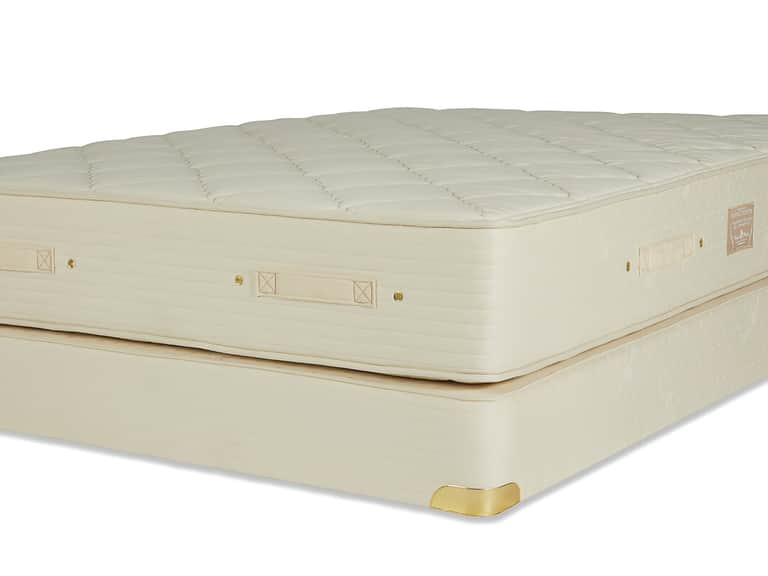
One example of a fully described, layered latex construction is the Royal-Pedic Premier Natural Latex Quilt-Top Mattress. Its listed design has a 10-inch latex core, with a 6-inch medium layer and 2-inch softer layers on either side. The top and underside are described as identical, making the mattress flippable. Wool is quilted into a cotton cover. Those details illustrate why the layer plan and surrounding materials can tell a reader more than the word “latex” alone; they do not establish how the mattress will feel to every sleeper.
Support is personal, not a label
There is no single firmness that suits everyone. Sleep position offers a useful starting point, but it cannot provide a definitive answer. Side sleepers often need enough surface give for the shoulder and hip to settle comfortably. Back sleepers may prefer a more even balance of cushioning and lift. Stomach sleepers commonly look for a surface that limits excessive sinking through the midsection. Individual proportions, comfort preferences, and health considerations can change those general patterns.
Body weight also affects compression. A lighter sleeper may not press deeply enough into a firm layer to experience its full contouring effect. A heavier sleeper may compress the same surface farther and encounter firmer layers sooner. This is one reason two people can try the same mattress and come away with very different impressions. It is also why the firmness rating on a product page should be treated as a guide rather than a guarantee.
Alignment is best understood as a comfort question, not a promise that a mattress can correct a medical condition. A mattress should feel stable and accommodating in the positions a person actually uses. Persistent pain, numbness, or disrupted sleep may have causes that bedding cannot resolve; a qualified health professional can help assess ongoing symptoms.
When comparing options, spend time in the positions you use at home. Notice whether pressure builds at contact points, whether the waist and hips feel supported, and whether turning feels easy. A quick sit on the edge or a few seconds on the back tells only part of the story. Trial periods can help, but they should be read carefully: check the minimum use period, return fees, collection arrangements, and any conditions that apply.
The advantages—and the compromises
The appeal of Dunlop latex lies partly in its combination of resilience and substantial support. For sleepers who dislike the slow, close embrace associated with memory foam, its quicker response can feel more natural. The material can be used in layered designs, and a mattress with a well-planned core and comfort system may serve people looking for both lift and cushioning.
Durability is often cited as a strength of latex, but longevity depends on the finished product, its materials, the foundation, and how it is used. Construction quality and care matter. A latex mattress is not immune to wear, and the composition of a mattress marketed as latex can differ widely. Before buying, check the stated contents, warranty terms, care guidance, and whether replacement layers are available.
There are trade-offs. Latex mattresses can be heavy and difficult to move, particularly in larger sizes. A dense, responsive feel may be exactly what one sleeper wants and too firm or springy for another. The price can also be substantial, especially when a product uses extensive natural materials or elaborate construction. Cost should be weighed against the particular features a buyer values, not against a broad claim that one material is always worth more.
Some people have latex allergies. If you have a known sensitivity, do not assume that a mattress’s cover makes the materials irrelevant; contact the manufacturer and seek guidance from a healthcare professional as appropriate. Material sourcing and processing vary, and product descriptions should be read closely rather than reduced to a single phrase such as “all natural.”
Finally, the word “luxury” says little about fit. A high-priced mattress can still be wrong for an individual sleeper. Comfort is personal, and no construction method eliminates the need to assess firmness, support, and practical details such as weight, ventilation, bed-frame compatibility, and return policy.
A practical comparison checklist
When evaluating a Dunlop latex mattress, look beyond the headline material and collect specifics. Useful questions include:
- What is in the mattress? Check whether the latex is described as natural, synthetic, or blended, and ask what other foams, fibers, or textiles are used.
- How are the layers arranged? Look for thickness and firmness information for the comfort layers and support core, not just a total mattress height.
- How does the surface feel? Determine whether the quilting or cover adds cushioning, and whether the overall feel is likely to be responsive, close-contouring, or a mix.
- Does the design fit your sleep habits? Consider position, body weight, movement during the night, pressure sensitivity, and whether you share the bed.
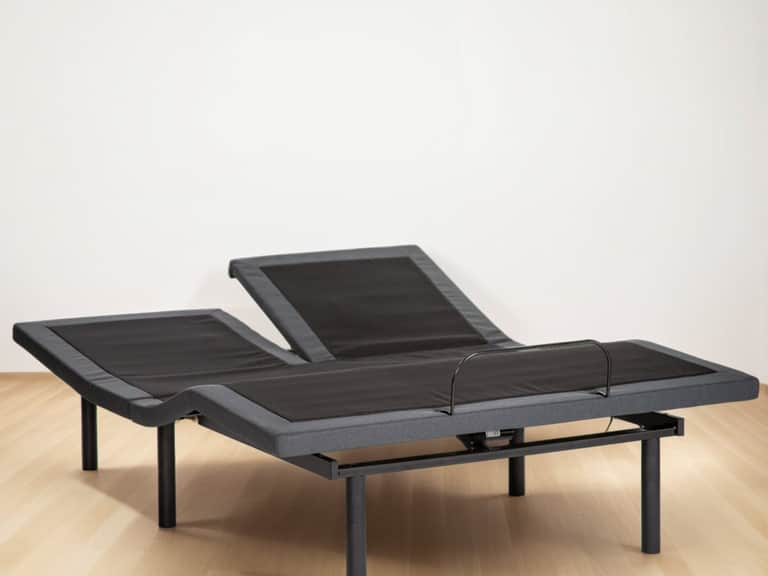
- What foundation is required? Confirm that the base is suitable and that any slat spacing or adjustable-bed guidance is followed.
- Can the mattress be adjusted or flipped? Verify which layers, if any, can be changed and whether both sides are intended for sleeping.
- What happens if it does not suit you? Read the trial, return, warranty, and transportation terms before purchase.
These questions are not a test of technical expertise. They are a way to turn broad marketing language into concrete comparisons. Two mattresses can both contain Dunlop latex and still differ in firmness, pressure relief, movement response, material composition, and care requirements.
Care and expectations over time
Follow the manufacturer’s instructions for moving, rotating, and maintaining a latex mattress. Its weight can make lifting awkward, so plan for help rather than dragging it across a floor or bending it sharply. A compatible foundation helps the mattress perform as intended and can reduce the risk of uneven support. If the mattress is flippable, the maker’s schedule for turning or rotating it should take precedence over generic advice.
Use a protector if it is appropriate for the mattress and does not compromise comfort. A protector can reduce exposure to spills and everyday soil, but its fabric may alter the surface feel or warmth. Washing a cover is not always possible, and removing a cover can affect a warranty. Check care labels before attempting to clean any layer or component.
New materials can have an initial odor. Its presence and duration vary by product and packaging. Ventilating the room and following the manufacturer’s guidance may help. If an odor is unusually strong, persists, or causes symptoms, contact the maker and seek professional advice if needed. A general article cannot determine the source or significance of an individual reaction.
The bottom line
Dunlop latex offers a distinctive starting point for mattress design: resilient, buoyant, and often substantial in feel. Those qualities may appeal to sleepers who want responsive support and less of the slow sink associated with memory foam. They may not suit someone who prefers deep contouring, a very soft surface, or a less springy response.
The best decision comes from examining the complete construction. Compare the firmness and thickness of each layer, identify the materials in the cover and core, consider how your body and sleep position interact with the surface, and check the foundation and return terms. “Dunlop” can help explain the feel of a mattress, but it cannot predict comfort on its own.
In the end, the question is not whether Dunlop latex is universally better. It is whether a particular latex mattress gives you the balance of cushioning, support, and freedom of movement you can sleep on comfortably, night after night.